| |
| Thursday, 01 October 2026 |
| JEAN BOLTON MEMORIAL STUDY COURSE 2026 - Art and Colour - Overview |
| ............................................ |
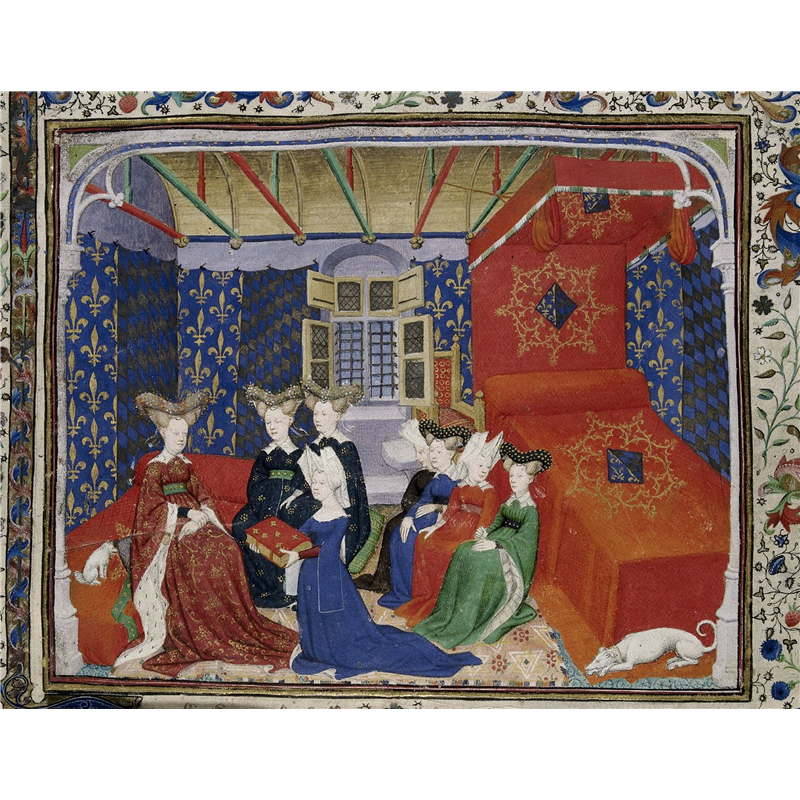 |
Bookings are now open for the 2026 Jean Bolton Memorial Study Course entitled Art and Colour.
Five days with five expert tutors.
Live in-venue in Winchester, Hampshire, UK, also on Zoom and recorded for your viewing convenience.
Reduced fee for all five days ticket bundle (see Fees section below).
Course Outline:
Colour has a profound impact on our perceptions, attention, experiences and emotions making it a powerful element in life and in the arts. This series of lectures seeks to explore the role and impact of colour in different periods of history and geographical locations as well as identifying the sources, composition and development of artistic materials. We will also explore the symbolism, meaning and spiritual significance of colour. Examples will demonstrate the power of colour to attract and focus attention, express and impact emotion, intensify experience, and communicate non-verbally. The series will also explore the varying status and importance of colour verses drawing and line and variations including: vibrant v. muted, oil pigments v. egg tempera, watercolour and fresco and the development of materials over the historical periods. In some sessions attention will also be given to the particular role of Venice as a supplier of pigments and source of important developments. Links between the concept of colour in visual, musical and auditory art forms will be made in some sessions. The 5 study days will cover the Medieval, Renaissance and Baroque periods in Western European Art together with the Nineteenth century in Western and Eastern European Art.
Course Schedule:
Art and Colour in the Middle Ages
Tutored and presented by Dr Sally Dormer
Thursday 29th October 2026
Renaissance Colour: Innovation, Theory and Practice
Tutored and presented by Dr Paula Nuttall
Friday 6th November 2026
Innovations in Colour: European Painting and Sculpture, 1800-1900
Tutored and presented by Dr Kathy McLauchlan
Friday 13th November 2026
From Caravaggio to Caspar David Friedrich: Colour in Art in the 17th and 18th Centuries
Tutored and presented by Clare Ford Wille
Friday 20th November 2026
From the Red Corner to the Green Stripe: The Colours of Ukrainian and Russian Art
Tutored and presented by Dr Rosamund Bartlett
Thursday 26th November 2026 - For full details of each day, click on the lecture in the menu to the left.
Venue: The Gurkha Museum, Peninsula Barracks, Romsey Rd, Winchester SO23 8TH and online via Zoom (recordings of each day will be available to both in-venue and online attendees for 7 days after each event). The live events run from 10.30am - 3.30pm. Participants joining online via Zoom will be admitted from about 10.15am and can join and leave the event as required. They will also have the option to view or catch-up via the recording. Fees: Tickets are £35 per day in-venue in Winchester and include 3 superb lectures plus morning coffee/tea and a light lunch with wine/soft drinks. £15 per day for online attendees.
This year we are again offering a reduced total fee of £165 and £70 for in-venue and online tickets respectively when you select all 5 days as a bundle. Please see the Ticket Tailor box office for further details. The bundle options appear as options 1 and 2.
Bookings can be made via Ticket Tailor, our preferred method of booking, or direct as described on our website. There is no additional charge to subscribers via Ticket Tailor which accepts both credit and debit cards.
Book via Ticket Tailor here: Ticket Tailor and NB for this year there is a Cart feature which means you can add any permutation of tickets and ONLY CHECK OUT ONCE. Progress!!!!
Please feel free to pass details of this Study Course to any of your friends, family or neighbours who might be interested in joining us, either in person in Winchester or online. They do not have to be a member of The Arts Society.
We hope to be able to meet some of you in person this autumn and look forward to welcoming our online subscribers. For any further information please contact us at the email address below.
We will be in touch again over the summer so no need to rush to book, unless you would like a place in-venue as these are quite limited. Ali Green
The Arts Society
Hampshire and Isle of Wight Area Email: hampshireisleofwightarea@theartssociety.org |
|
| Wednesday, 28 October 2026 |
| Jean Bolton Tribute |
| ............................................ |
 |
Jean Bolton 19/09/1920 - 12/09/2019 Born 19 September 1920 in what is now Slovakia, Jean came to England in the late 1930s to join her brother who was already studying at university. She met and married John and enjoyed 72 years of marriage until John’s death in 2012. Jean died just one week short of her 99th birthday. Jean was a member of the New Forest Society, but she also sat on the Hampshire and Isle of Wight Area Committee, where she held the roles of NADFAS Volunteers Area Representative from March 1991 until the new role of Area Education Representative (AER) took her interest in 1994. This role was to provide support to societies running their own study days or courses, which Jean fulfilled for 3 years. Jean will be most remembered within The Arts Society for her own excellent autumn Study Courses at the Southampton City Art Gallery, which she started when acting as AER, but continued independently after standing down from the post. She ran her first course as an Art Foundation Course in November 1994 and it was an immediate sell-out. So successful that for several years she ran 2 courses per year. The courses, which comprised 5 full-day study days over a 5-week period, have continued every year, this year being the 31st annual study course. The proceeds from Jean's study courses have always been donated to the Hampshire and Isle of Wight Area funds, where they have been made wholly available to support local art initiatives. Over her life Jean’s courses will have made an outstanding contribution to arts initiatives in our area. Jean continued running the courses until 2018 when ill health at the age of 98 meant that she could no longer attend. Art was truly Jean’s passion, enriching her life as well as the lives of many others. She played a significant role in The Arts Society throughout her time in Hampshire and we will remember her with great affection for her contribution |
|
| Thursday, 29 October 2026 |
| Art and Colour in the Middle Ages |
| Dr Sally Dormer |
 |
COURSE OUTLINE: Colour has a profound impact on our perceptions, attention, experiences and emotions making it a powerful element in life and in the arts. This series of lectures seeks to explore the role and impact of colour in different periods of history and geographical locations as well as identifying the sources, composition and development of artistic materials. We will also explore the symbolism, meaning and spiritual significance of colour. Examples will demonstrate the power of colour to attract and focus attention, express and impact emotion, intensify experience, and communicate non-verbally. The series will also explore the varying status and importance of colour verses drawing and line and variations including: vibrant v. muted, oil pigments v. egg tempera, watercolour and fresco and the development of materials over the historical periods. In some sessions attention will also be given to the particular role of Venice as a supplier of pigments and source of important developments. Links between the concept of colour in visual, musical and auditory art forms will be made in some sessions. The 5 study days will cover the Medieval, Renaissance and Baroque periods in Western European Art together with the Nineteenth century in Western and Eastern European Art.
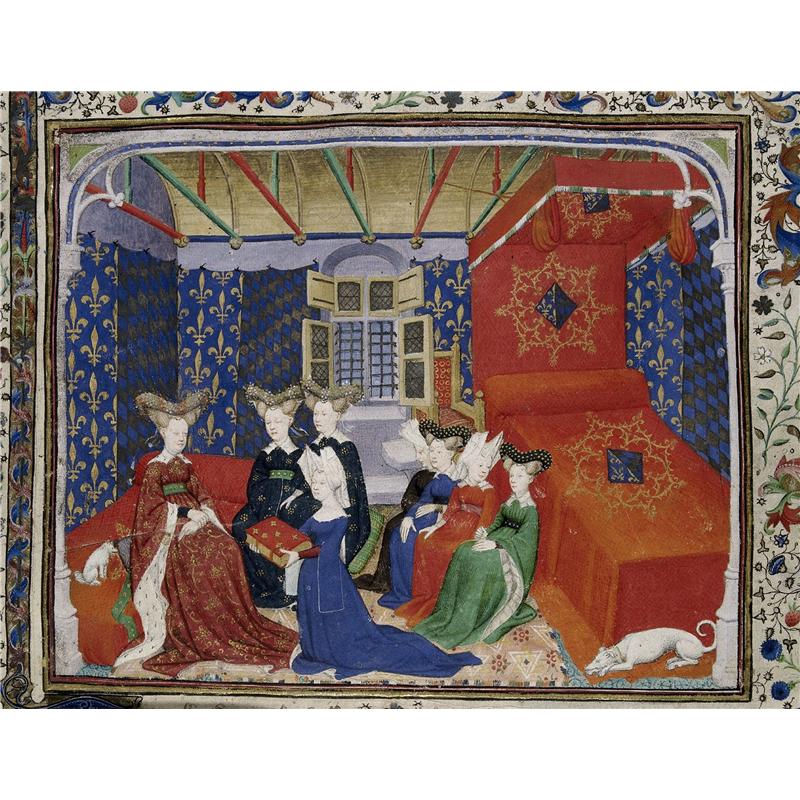
DAY 1 - Art and Colour in the Middle ages “Nothing like it could be seen in England either for the light of its glass windows, the gleaming of its marble pavements, or the many-coloured paintings which led the eyes to the panelled ceiling above”. William of Malmesbury’s description of Prior Conrad’s mid-12th-century Canterbury Cathedral choir confirms the medieval taste for interiors saturated with colour. To evoke the multi-coloured, jewel-studded, splendours of Heaven, as described in the Bible, the walls, ceilings and vaults of churches were sheathed in colourful paint or mosaic, sculpture was painted in a palette of bright hues, and windows filled with coloured glass. High-status secular interiors, furnished with vibrant textiles, also sang with colour, and high-status ecclesiastics and laypeople alike revelled in wearing flamboyant, vivid, garments. Medieval audiences would be disappointed and dismayed by the restrained minimalism of contemporary upmarket interiors and designer outfits!
This study day will consider colour in medieval art from three perspectives, materials, symbolism, and an obsession with blue. Medieval technical treatises detail the breadth of materials used to embellish walls, panels, pages, fabric and leather: minerals like malachite; organic matter extracted from plants, insects and molluscs; and substances as diverse as lead and urine from which pigments were manufactured. Modern technology enables precise identification of these colorants and pinpoints their origins. Colour certainly pleased the medieval eye, but it also conveyed symbolic spiritual and temporal messages: purple signalled imperial or royal power, red was associated with Church feasts of martyr saints; and white embodied purity. Blue was the most revered and celebrated of all, regarded as symbolising the heavenly. Christ’s robes, and those of his mother, the Virgin Mary, were typically coloured blue, and various blues dominated church interiors. Expensive sky-blue sapphires sourced from Sri Lanka and deep purple-blue lapis lazuli imported from Afghanistan were enjoyed by those with deep pockets, while cheaper grey/green blues made from indigo, copper, or cobalt-oxide, were employed by those of more modest means.
Book on Ticket Tailor CLICK HERE
The Arts Society Accredited Lecturer - Dr SALLY DORMER Lecturer and tutor for the Early Medieval Year Course at V&A. Dean of 'European Studies' for 2 US Universities. Freelance lecturer for The Art Fund. Study tours, cruises and tour groups. BA (History) University of Durham; PhD (Medieval Manuscript illumination) and MA (Medieval History of Art) Courtauld Institute.
Venue: The Gurkha Museum, Peninsula Barracks, Romsey Rd, Winchester SO23 8TH and online via Zoom (recordings of each day will be available to both in-venue and online attendees for 7 days after each event). The live events run from 10.30am - 3.30pm. Participants joining online via Zoom will be admitted from about 10.15am and can join and leave the event as required. They will also have the option to view or catch-up via the recording. Fees: Tickets are £35 per day in-venue in Winchester and include 3 superb lectures plus morning coffee/tea and a light lunch with wine/soft drinks. £15 per day for online attendees.
This year we are again offering a reduced total fee of £165 and £70 for in-venue and online tickets respectively when you select all 5 days as a bundle. Please see the Ticket Tailor box office for further details. The bundle options appear as options 1 and 2.
Bookings can be made via Ticket Tailor, our preferred method of booking, or direct as described on our website. There is no additional charge to subscribers via Ticket Tailor which accepts both credit and debit cards.
Book via Ticket Tailor here: Ticket Tailor and NB for this year there is a Cart feature which means you can add any permutation of tickets and ONLY CHECK OUT ONCE. Progress!!!!
Please feel free to pass details of this Study Course to any of your friends, family or neighbours who might be interested in joining us, either in person in Winchester or online. They do not have to be a member of The Arts Society.
We hope to be able to meet some of you in person this autumn and look forward to welcoming our online subscribers. For any further information please contact us at the email address below.
We will be in touch again over the summer so no need to rush to book, unless you would like a place in-venue as these are quite limited. |
|
| Friday, 06 November 2026 |
| Renaissance Colour: Innovation, Theory and Practice |
| Dr Paula Nuttall |
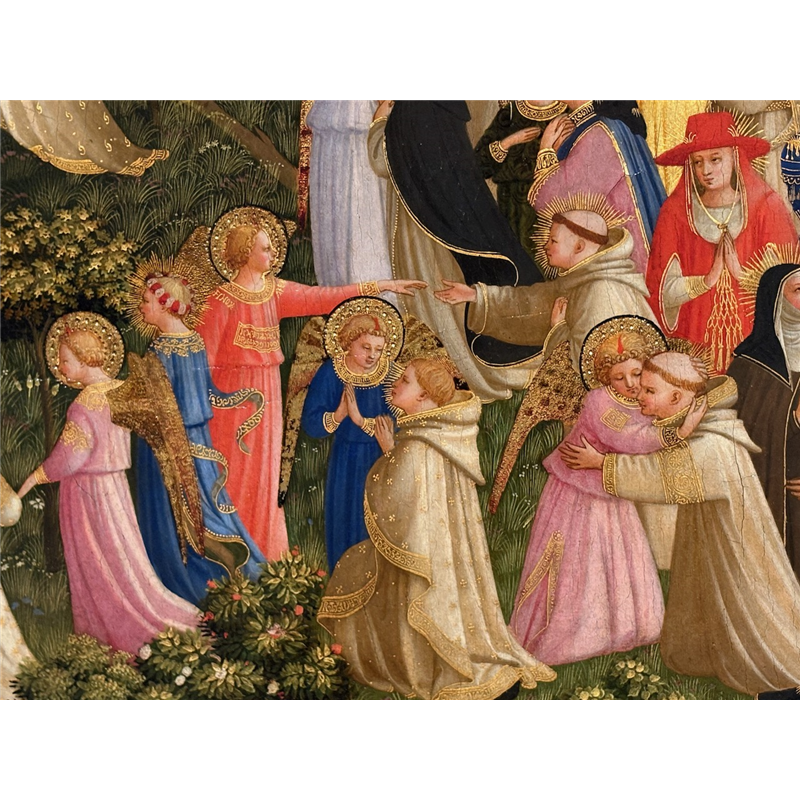 |
COURSE OUTLINE: Colour has a profound impact on our perceptions, attention, experiences and emotions making it a powerful element in life and in the arts. This series of lectures seeks to explore the role and impact of colour in different periods of history and geographical locations as well as identifying the sources, composition and development of artistic materials. We will also explore the symbolism, meaning and spiritual significance of colour. Examples will demonstrate the power of colour to attract and focus attention, express and impact emotion, intensify experience, and communicate non-verbally. The series will also explore the varying status and importance of colour verses drawing and line and variations including: vibrant v. muted, oil pigments v. egg tempera, watercolour and fresco and the development of materials over the historical periods. In some sessions attention will also be given to the particular role of Venice as a supplier of pigments and source of important developments. Links between the concept of colour in visual, musical and auditory art forms will be made in some sessions. The 5 study days will cover the Medieval, Renaissance and Baroque periods in Western European Art together with the Nineteenth century in Western and Eastern European Art. Day 2 - Renaissance Colour: Innovation, Theory and Practice What distinguishes Renaissance colour from that of the Middle Ages? Although pigments were mostly the same as in the earlier period, the expectations of painting, and its colouristic potential, changed significantly between 1400 and 1600. Responding to the new emphasis on the ‘imitation of nature’ i.e. the lifelike representation of light, form and space, artists such as Van Eyck and Piero della Francesca explored new ways of employing and applying colour, aided by technical developments, notably oil painting. Concomitantly, the evolution of art theory prompted new approaches to colour, beginning with Alberti in 1430s Florence, through to Leonardo’s almost colourless tonal unity (sfumato) and its polar opposite, the ‘unnatural’ colour of Mannerist painters such as Pontormo; and the highly consequential sixteenth-century Italian debate on the merits of ‘colour’ versus ‘drawing’, exemplified by the paintings of Leonardo, Michelangelo, Raphael and Titian.
We shall also consider Renaissance colour in a wider context, including the relationship between pigments and trade, and Venice’s special status as a hub. How did people experience colour in the everyday, for instance in churches, in a period that saw a shift from lavish late Gothic polychromy to colouristic restraint? How was colour used to make social distinctions through dress? How did painters use colour in composition? How do pigments react and change over time, affecting how we see Renaissance paintings today? Book on Ticket Tailor CLICK HERE
THE ARTS SOCIETY ACCREDITED LECTURER - Dr PAULA NUTTAL Specialist in Renaissance art, both Italian and northern European, on which she has published widely, notably From Flanders to Florence: the Impact of Netherlandish Painting 1400-1500 (Yale, 2004). Has collaborated on major exhibitions including Jan van Eyck: an Optical Revolution (Ghent, 2020). Former Director of the V&A Medieval and Renaissance Year course, and lecturer at – among others – the Courtauld Institute and the British Institute of Florence.
Venue: The Gurkha Museum, Peninsula Barracks, Romsey Rd, Winchester SO23 8TH and online via Zoom (recordings of each day will be available to both in-venue and online attendees for 7 days after each event). The live events run from 10.30am - 3.30pm. Participants joining online via Zoom will be admitted from about 10.15am and can join and leave the event as required. They will also have the option to view or catch-up via the recording. Fees: Tickets are £35 per day in-venue in Winchester and include 3 superb lectures plus morning coffee/tea and a light lunch with wine/soft drinks. £15 per day for online attendees.
This year we are again offering a reduced total fee of £165 and £70 for in-venue and online tickets respectively when you select all 5 days as a bundle. Please see the Ticket Tailor box office for further details. The bundle options appear as options 1 and 2.
Bookings can be made via Ticket Tailor, our preferred method of booking, or direct as described on our website. There is no additional charge to subscribers via Ticket Tailor which accepts both credit and debit cards.
Book via Ticket Tailor here: Ticket Tailor and NB for this year there is a Cart feature which means you can add any permutation of tickets and ONLY CHECK OUT ONCE. Progress!!!!
Please feel free to pass details of this Study Course to any of your friends, family or neighbours who might be interested in joining us, either in person in Winchester or online. They do not have to be a member of The Arts Society.
We hope to be able to meet some of you in person this autumn and look forward to welcoming our online subscribers. For any further information please contact us at the email address below.
We will be in touch again over the summer so no need to rush to book, unless you would like a place in-venue as these are quite limited. |
|
| Friday, 13 November 2026 |
| Innovations in Colour: European Painting and Sculpture, 1800-1900 |
| Dr Kathy McLauchlan |
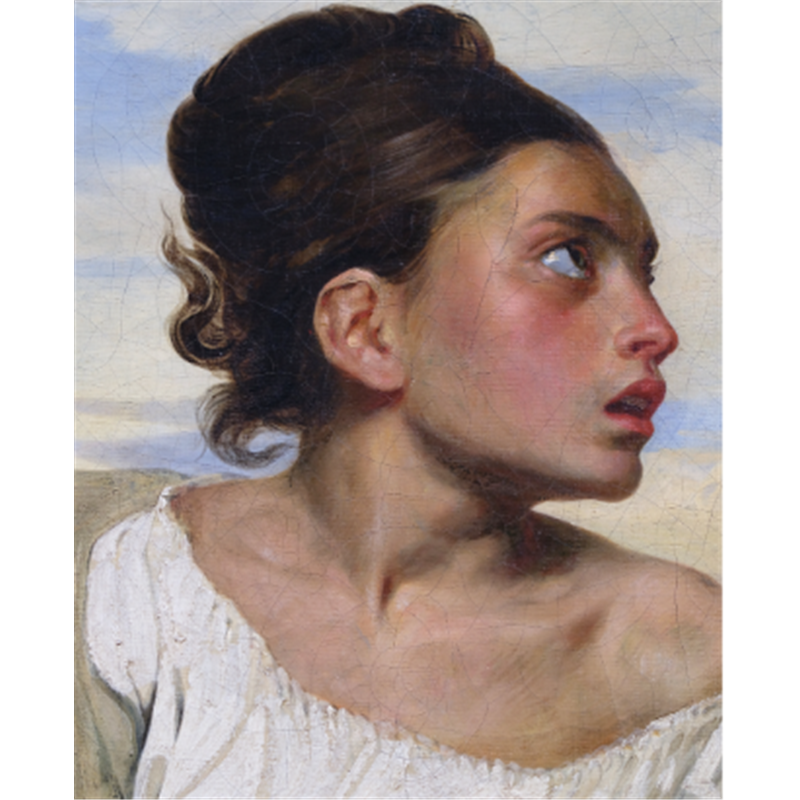 |
COURSE OUTLINE: Colour has a profound impact on our perceptions, attention, experiences and emotions making it a powerful element in life and in the arts. This series of lectures seeks to explore the role and impact of colour in different periods of history and geographical locations as well as identifying the sources, composition and development of artistic materials. We will also explore the symbolism, meaning and spiritual significance of colour. Examples will demonstrate the power of colour to attract and focus attention, express and impact emotion, intensify experience, and communicate non-verbally. The series will also explore the varying status and importance of colour verses drawing and line and variations including: vibrant v. muted, oil pigments v. egg tempera, watercolour and fresco and the development of materials over the historical periods. In some sessions attention will also be given to the particular role of Venice as a supplier of pigments and source of important developments. Links between the concept of colour in visual, musical and auditory art forms will be made in some sessions. The 5 study days will cover the Medieval, Renaissance and Baroque periods in Western European Art together with the Nineteenth century in Western and Eastern European Art. Day 3 - Innovations in Colour: European Painting and Sculpture, 1800-1900 Session 1. Colour versus Line
Art academies traditionally saw art in hierarchical terms – according to subject-matter, function, materials and method. In theory at least, colour was deemed to be ‘inferior’ to line – its sensuality and materiality set against the intellectual rigour of line. In French academic teaching of the 19th century, drawing still took priority over painting. It was, as Ingres put, “the probity of art… the expression, the inner form, the composition, the modelling.” Line gave a composition its structural clarity and moral truth. Colour came a poor second, and at its worst might be a distraction. Ingres, together with other leading academicians, saw their traditional values as under threat from an alternative approach to art, one that emphasised spontaneity, expression and experience over abstract ideals. Delacroix in particular rejected precision in contours and finish, but used vibrant, contrasting colours and a richly textured surface to communicate effects and feelings, and create “a bridge between the soul of the artist and that of the spectator.” The line/colour debate associated with Ingres and Delacroix grew into one of the recurring themes of 19th-century French art.
Session 2. The Colour of Sculpture
Archaeologists and historians of the 18th century were increasingly aware that classical sculptors made use of colour. Their claims cut against an ideal of pure, harmonious form traditionally associated with the white marbles of antiquity. But the evidence was clear, and growing numbers of modern sculptors responded by carrying out their own experiments with colour. Canova sought to impart a more lifelike appearance to his work by applying wax finishes and touches of pink and gold. Later artists were less subtle, determined to regenerate their art and free themselves from traditional associations between sculpture and whiteness – “white poems of marble…the despair of modern art.” (Gautier, 1855) Late 19th century sculptures might combine a wide range of material: semi-precious stones, applied pigments, enamels, ivory, bronze and marbles. Degas’s Little Dancer of 1881can be linked with this movement. Other sculptors were less interested in naturalism than in symbolic meaning. Some of their work - notably that of German artist Max Klinger – has an extraordinary and disturbing power.
Session 3. Symphonies in Colour
In the late nineteenth century, many western artists turned away from using colour to represent the appearances of objects and motifs in nature. Instead, they saw colour as means towards visual harmony in art. Aesthetic values took precedence over realism, with critics and artists alike drawing analogies between colour relationships on a painted surface and musical composition, rhythm and melody. This idea dominated the work of artists associated with Aestheticism, above all the American painter James McNeill Whistler who gave musical titles to many of his works: notably Symphony in White, No. 1: The White Girl and Nocturne in Blue and Gold – Old Battersea Bridge. Such works called on their viewers to concentrate on the subtle arrangement and gradation of colour over all other considerations. For Whistler, the subject as such was extraneous to a painting’s true purpose – its value as a beautiful object, and its potential to express the subtlest nuances of atmosphere and mood. Book on Ticket Tailor CLICK HERE
THE ARTS SOCIETY ACCREDITED LECTURER - Dr KATHY McLAUGHLAN A lecturer specialising in 19th-century art history, I am currently a course director at the Victoria & Albert Museum, organising courses and study days on the history of art and design. I teach at several institutions, including Art Pursuits. I am a graduate of Oxford University and the Courtauld Institute, with a PhD on French 19th-century painters in Rome. I am available for both individual lectures and study days. In addition to the subjects on my page I can cover:
• Sketch and Finish in 19th-century French Painting
• Montmartre fin de siècle
• Mucha and the Slav Epic
• America and the Sublime Landscape
Venue: The Gurkha Museum, Peninsula Barracks, Romsey Rd, Winchester SO23 8TH and online via Zoom (recordings of each day will be available to both in-venue and online attendees for 7 days after each event). The live events run from 10.30am - 3.30pm. Participants joining online via Zoom will be admitted from about 10.15am and can join and leave the event as required. They will also have the option to view or catch-up via the recording. Fees: Tickets are £35 per day in-venue in Winchester and include 3 superb lectures plus morning coffee/tea and a light lunch with wine/soft drinks. £15 per day for online attendees.
This year we are again offering a reduced total fee of £165 and £70 for in-venue and online tickets respectively when you select all 5 days as a bundle. Please see the Ticket Tailor box office for further details. The bundle options appear as options 1 and 2.
Bookings can be made via Ticket Tailor, our preferred method of booking, or direct as described on our website. There is no additional charge to subscribers via Ticket Tailor which accepts both credit and debit cards.
Book via Ticket Tailor here: Ticket Tailor and NB for this year there is a Cart feature which means you can add any permutation of tickets and ONLY CHECK OUT ONCE. Progress!!!!
Please feel free to pass details of this Study Course to any of your friends, family or neighbours who might be interested in joining us, either in person in Winchester or online. They do not have to be a member of The Arts Society.
We hope to be able to meet some of you in person this autumn and look forward to welcoming our online subscribers. For any further information please contact us at the email address below.
We will be in touch again over the summer so no need to rush to book, unless you would like a place in-venue as these are quite limited. |
|
| Friday, 20 November 2026 |
| From Caravaggio to Casper David Friedrich: Colour in Art in the 17th and 18th Centuries |
| Claire Ford-Wille |
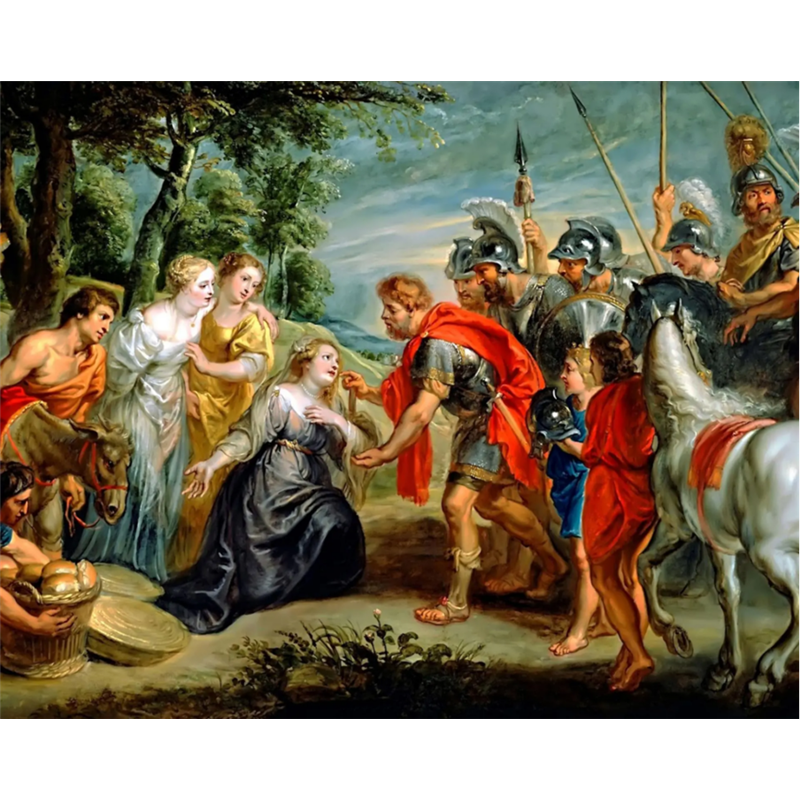 |
COURSE OUTLINE: Colour has a profound impact on our perceptions, attention, experiences and emotions making it a powerful element in life and in the arts. This series of lectures seeks to explore the role and impact of colour in different periods of history and geographical locations as well as identifying the sources, composition and development of artistic materials. We will also explore the symbolism, meaning and spiritual significance of colour. Examples will demonstrate the power of colour to attract and focus attention, express and impact emotion, intensify experience, and communicate non-verbally. The series will also explore the varying status and importance of colour verses drawing and line and variations including: vibrant v. muted, oil pigments v. egg tempera, watercolour and fresco and the development of materials over the historical periods. In some sessions attention will also be given to the particular role of Venice as a supplier of pigments and source of important developments. Links between the concept of colour in visual, musical and auditory art forms will be made in some sessions. The 5 study days will cover the Medieval, Renaissance and Baroque periods in Western European Art together with the Nineteenth century in Western and Eastern European Art. Day 4 - From Caravaggio to Casper David Friedrich: Colour in Art in the 17th and 18th Centuries Colour has a vital part to play in our understanding and enjoyment of painting and sculpture. The study day will explore how colours were made and used by artists and sculptors from 17th to the late 18th centuries and the sheer variety of colour is outstanding from the rich ranges of browns, yellows and reds in the work of Rembrandt to the solid blocks of colour seen against a very dark background in the work of Caravaggio. Colour is vital in the understanding of a composition, the subject and meaning of a painting or sculpture, whether used in fresco, tempera, oil, pastel, or watercolour. The placing of distinct colours throughout the composition can direct the eye and intensify the impact upon the spectator. Colours, such as red and green or blue and yellow, can be symbolic or can identify figures such as Mary Magdalene or St. Peter, in order to clarify a religious narrative for the viewer. Careful placing of subtle and varying colours in brushstrokes which, when seen from the correct distance, can appear as gold tassels, silver embroidery or facial expression in the work of Frans Hals, Velazquez, Rubens or Rembrandt. How were colours and their application used to create these effects?
During the 17th century colour was used to powerful effect even in sculpture, such as that of Bernini, as not only could his cutting of the marble produce dramatic light and shade, but his use of fresco combined with stucco, coloured marbles and gilded wood produced unforgettable colour, for example in the Ecstasy of Santa Teresa, as well as the riot of colour in the ceiling frescoes of 17th century Rome by his contemporaries. Rubens was a master of colour in all his work, but particularly in his remarkable oil sketches, where just enough colour was provided to show his intentions, so that the sketches could be created in finished works by his assistants.
Dutch artists used colour to create a reality of northern daylight in the realism of Dutch landscape as in the work of Hobbema or the cloud effects in the work of Jacob van Ruisdael. Nowhere is this better seen too than in the work of Vermeer. Still life can be a wonderful miraculous vehicle in the use of colour whether in the work of Jan Brueghel the Elder, Chardin or the ebullient flower pieces of de Heem.
By the 18th century, with the advancement in chemistry, botany and minerology, new colours began to be discovered, such as Prussian Blue or Mauve. Pastels which could be made in a huge range began to be used to wonderful effects in the work of Chardin and Liotard. Colour was transformed in the light sunny tones in the decorative paintings of Boucher or Fragonard. Interior decoration was similarly transformed in the frescoes of Tiepolo and his son. Book on Ticket Tailor CLICK HERE
THE ARTS SOCIETY ACCREDITED LECTURER - Mrs CLARE FORD-WILLE Honours degree in History of Art, Birkbeck College, University of London. Regular commitments include Centre for Lifelong Learning, London University, National Gallery, V&A Museum, WEA, Morley College, the City Literary Institute, the Art Fund and National Trust. Study tours abroad.
Venue: The Gurkha Museum, Peninsula Barracks, Romsey Rd, Winchester SO23 8TH and online via Zoom (recordings of each day will be available to both in-venue and online attendees for 7 days after each event). The live events run from 10.30am - 3.30pm. Participants joining online via Zoom will be admitted from about 10.15am and can join and leave the event as required. They will also have the option to view or catch-up via the recording. Fees: Tickets are £35 per day in-venue in Winchester and include 3 superb lectures plus morning coffee/tea and a light lunch with wine/soft drinks. £15 per day for online attendees.
This year we are again offering a reduced total fee of £165 and £70 for in-venue and online tickets respectively when you select all 5 days as a bundle. Please see the Ticket Tailor box office for further details. The bundle options appear as options 1 and 2.
Bookings can be made via Ticket Tailor, our preferred method of booking, or direct as described on our website. There is no additional charge to subscribers via Ticket Tailor which accepts both credit and debit cards.
Book via Ticket Tailor here: Ticket Tailor and NB for this year there is a Cart feature which means you can add any permutation of tickets and ONLY CHECK OUT ONCE. Progress!!!!
Please feel free to pass details of this Study Course to any of your friends, family or neighbours who might be interested in joining us, either in person in Winchester or online. They do not have to be a member of The Arts Society.
We hope to be able to meet some of you in person this autumn and look forward to welcoming our online subscribers. For any further information please contact us at the email address below.
We will be in touch again over the summer so no need to rush to book, unless you would like a place in-venue as these are quite limited. |
|
| Thursday, 26 November 2026 |
| From the Red Corner to the Green Stripe: The Colours of Ukrainian and Russian Art |
| Dr Rosamund Bartlett |
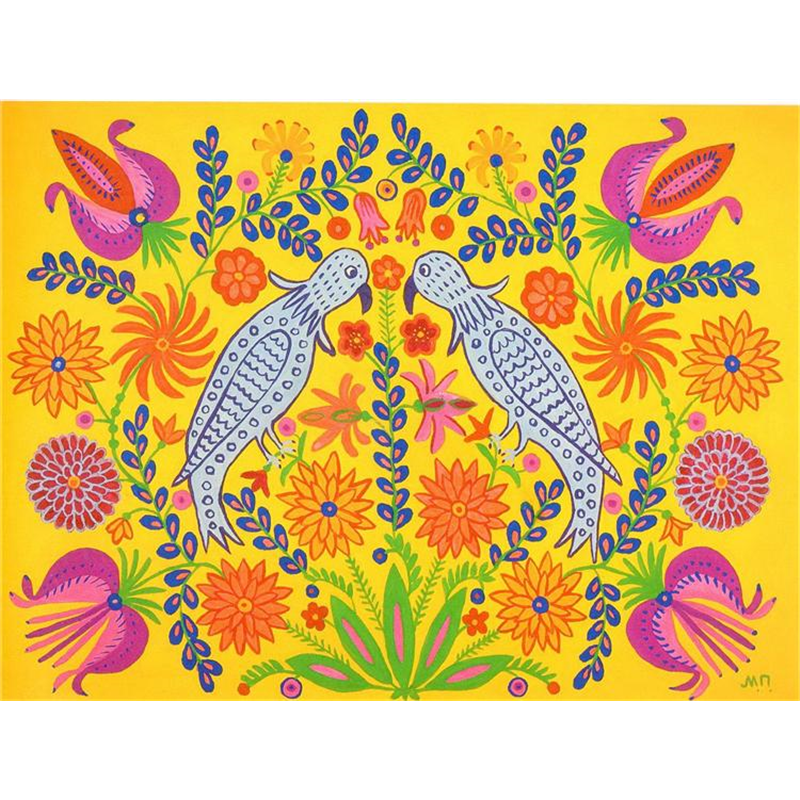 |
COURSE OUTLINE: Colour has a profound impact on our perceptions, attention, experiences and emotions making it a powerful element in life and in the arts. This series of lectures seeks to explore the role and impact of colour in different periods of history and geographical locations as well as identifying the sources, composition and development of artistic materials. We will also explore the symbolism, meaning and spiritual significance of colour. Examples will demonstrate the power of colour to attract and focus attention, express and impact emotion, intensify experience, and communicate non-verbally. The series will also explore the varying status and importance of colour verses drawing and line and variations including: vibrant v. muted, oil pigments v. egg tempera, watercolour and fresco and the development of materials over the historical periods. In some sessions attention will also be given to the particular role of Venice as a supplier of pigments and source of important developments. Links between the concept of colour in visual, musical and auditory art forms will be made in some sessions. The 5 study days will cover the Medieval, Renaissance and Baroque periods in Western European Art together with the Nineteenth century in Western and Eastern European Art. Day 5 - From the Red Corner to the Green Stripe: The Colours of Ukrainian and Russian Art This day of lectures will explore the kaleidoscope of colours in Ukrainian and Russian painting, music and applied arts. There will be a particular focus on Modernist experimentation, on Kandinsky's investigation of colour and form in The Blue Rider, for example, Sonia Delaunay's evolving use of colour as rhythm and structure, and Malevich's "New Painterly Realism of Colour". We will also discuss the sacred significance of red in icons, Moscow's polychrome majolica, Scriabin's synaesthesia, and the fusing of invention with traditional decorative motifs which inspired the bright palette in Maria Prymachenko's paintings.
1. Red Squares, Red Icons and Moscow Majolica
An investigation of the significance and use of red, including discussion of how Red Square and the "red corner" acquired their names, the predominance of red in Novgorod and Moscow icons, and the distinct tradition of Ukrainian "red icons". We will also look at the 17th century craze in Russia for polychrome majolica tiles, which soon covered entire walls of monasteries and churches, including St. Basil's, and how that tradition was revived in the early 20th century by Savva Mamontov, who used irridescent Art Nouveau architectural ceramics to transform the facade of the new Metropole Hotel.
2. Kandinsky and The Blue Rider
Kandinsky went to study art in Munich at the age of thirty, after training as a lawyer and undertaking an ethnographic expedition to a remote part of northern Russia. By 1910 he had graduated from Art Nouveau to Expressionism and was creating innovative theatrical works combining colour, sound, language and movement. This lecture explores the path-breaking work of the international avant-garde group "The Blue Rider" he founded with Franz Marc in 1911. Joined by leading modernists such as Paul Klee, August Macke and Gabriele Münter, the group sought through experiments with colour and form to explore spiritual questions relating to all the arts.
3. Colour in the Ukrainian and Russian Avant-Garde
With reference to native traditions exemplified by the folk painters Hanna Sobachko-Shostak and Maria Prymachenko, and tracing a line from the early to the late 20th century, we will first seek to identify a "Ukrainian palette" in Sonia Delaunay's use of colour as rhythm and structure, Alexandra Exter's abstract colour experiments, and Oleksandr Bohomazov's vibrant canvases. We will then turn to the Russian avant-garde to explore Scriabin's synaesthetic associations of colour with music, Malevich's "New Painterly Realism of Colour", Olga Rozanova's abstract "colour-paintings" and the radical theory of "expanded vision" developed by the painter and composer Mikhail Matyushkin, beginning with his involvement with the 1913 Futurist opera Victory over the Sun and culminating in his 1932 Colour Manual. Book on Ticket Tailor CLICK HERE Book early if you would like a place in-venue as these are quite limited.
THE ARTS SOCIETY ACCREDITED LECTURER - Dr ROSAMUND BARTLETT Rosamund Bartlett a writer, lecturer and translator whose work as a cultural historian ranges across the arts. She completed her doctorate at Oxford and is the author of several books, including biographies of Chekhov and Tolstoy, and a study of Wagner's influence in Russia. She is currently writing a history of the Russian avant-garde. Her new translation of Anna Karenina for Oxford World’s Classics was published to acclaim in 2014. She has written on art, music and literature for publications such as The Daily Telegraph and Apollo, and received commissions from institutions including the Royal Opera House, Tate UK, and the Salzburg Festival. Her lecturing work has taken her from the V&A and the National Theatre in London to the Art Gallery of New South Wales in Sydney, and she contributes regularly to Proms events and opera broadcasts on the BBC.
Venue: The Gurkha Museum, Peninsula Barracks, Romsey Rd, Winchester SO23 8TH and online via Zoom (recordings of each day will be available to both in-venue and online attendees for 7 days after each event). The live events run from 10.30am - 3.30pm. Participants joining online via Zoom will be admitted from about 10.15am and can join and leave the event as required. They will also have the option to view or catch-up via the recording. Fees: Tickets are £35 per day in-venue in Winchester and include 3 superb lectures plus morning coffee/tea and a light lunch with wine/soft drinks. £15 per day for online attendees.
This year we are again offering a reduced total fee of £165 and £70 for in-venue and online tickets respectively when you select all 5 days as a bundle. Please see the Ticket Tailor box office for further details. The bundle options appear as options 1 and 2.
Bookings can be made via Ticket Tailor, our preferred method of booking, or direct as described on our website. There is no additional charge to subscribers via Ticket Tailor which accepts both credit and debit cards.
Book via Ticket Tailor here: Ticket Tailor and NB for this year there is a Cart feature which means you can add any permutation of tickets and ONLY CHECK OUT ONCE. Progress!!!!
Please feel free to pass details of this Study Course to any of your friends, family or neighbours who might be interested in joining us, either in person in Winchester or online. They do not have to be a member of The Arts Society.
We hope to be able to meet some of you in person this autumn and look forward to welcoming our online subscribers. For any other information please contact us at the email address below. Email: hampshireisleofwightarea@theartssociety.org |
|
| Wednesday, 03 February 2027 |
| Ancient Worlds; New Horizons - The Vikings |
| Imogen Corrigen |
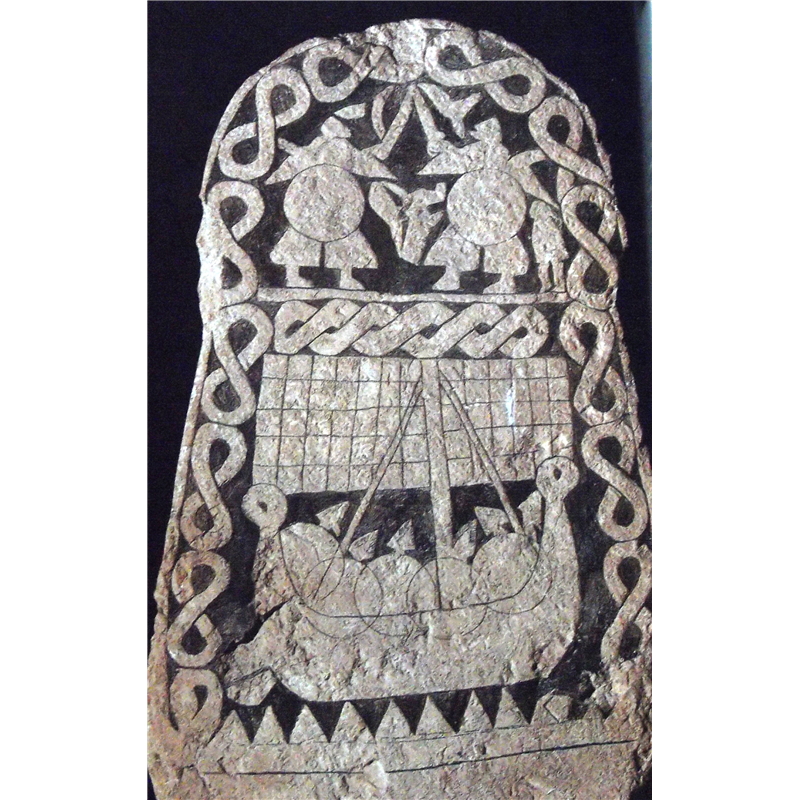 |
Part of the Ancient Worlds: New Horizons series of Study Days which are available live in Winchester and also will be live-streamed via Zoom with recordings of each day made available for 7 days after each event. This enables all attendees (in-venue and online attendees) to catch-up at a later date and/or revisit parts of the days as appropriate. The Vikings The Vikings almost need no introduction. An image is instantly conjured up of ferocious fighting men, rampaging through our green and pleasant land, plundering, wrecking and desecrating. This is not untrue by any means, but the lecture seeks to find out if there were any other aspects to the “long-haired tourists from Scandinavia”. A problem with studying Vikings is that contemporary writing about them is often hysterical, although they were also seen literally as the wrath of God. In the end, there was a Scandinavian conquest of England before the Norman one, so who were these people, why did they come here and what did they hope to achieve. You can book for the whole course or just individual days. The course consists of 3 days as follows and all are available in venue (Winchester) and online via Zoom: - Wednesday 3 February 2027 - The Vikings with Imogen Corrigen
- Wednesday 17 March 2027 - Greek Salad - the Essentials of Western Civilisation with Rupert Willoughby
- Friday 2 April 2027 - Layers of Rome with Dan Evans
Venue: The Gurkha Museum, Peninsula Barracks, Romsey Rd, Winchester SO23 8TH and online via Zoom (recordings of each day will be available to both in-venue and online attendees for 7 days after each event). Timings: The live events run from 10.30am - 3.30pm. Paricipants joining online via Zoom will be admitted from about 10.15am and can join and leave the event as required. They will also have the option to view or catch-up via the recording. Price: £35 per day in venue, to include coffee/tea, light lunch with wine or soft drinks; £15 per session for online attendees. Bookings are now open Bookings can be made via Ticket Taylor, our preferred method of booking. The link is below. There is no additional charge to subscribers via Ticket Tailor, which conveniently accepts credit and debit cards. NB for this year there is a Cart feature which means you can add any permutation of tickets and ONLY CHECK OUT ONCE. Progress!!!! Click this link for bookings via Ticket Tailor If you experience trouble booking via Ticket Taylor please click below for our old-fashioned booking form which contains details of how to book and pay by online bank transfer or cheque. It also contains the organiser’s contact details for queries. Art and Colour - 2026 Booking form in Word format Art and Colour - 2026 Booking form in PDF format
Please feel free to pass details of this Study Course to any of your friends, family or neighbours who might be interested in joining us, either in person in Winchester or online. They do not have to be a member of The Arts Society.
We hope to be able to meet some of you in person in the spring and look forward to welcoming our online subscribers. For any other information please contact us at the email address below. Email: hampshireisleofwightarea@theartssociety.org |
|
| Wednesday, 17 March 2027 |
| Ancient Worlds; New Horizons - Greek Salad, The Essentials of Western Civilisation |
| Rupert Willoughby |
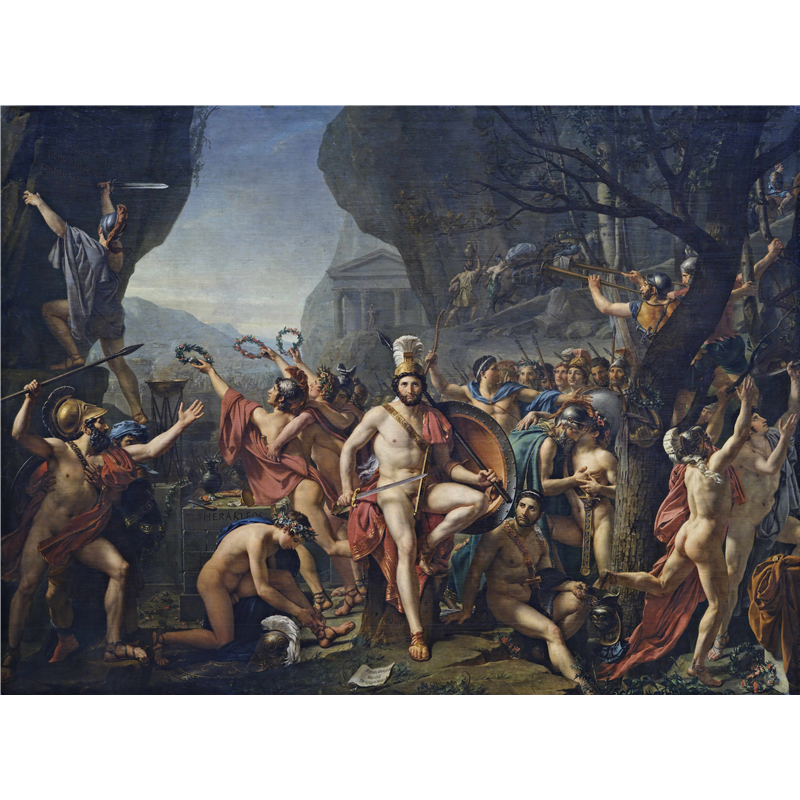 |
Part of the Ancient Worlds: New Horizons series of Study Days which are available live in Winchester and also will be live-streamed via Zoom with recordings of each day made available for 7 days after each event. This enables all attendees (in-venue and online attendees) to catch-up at a later date and/or revisit parts of the days as appropriate. Greek Salad, The Essentials of Western Civilisation The Ancient Greeks were the founders of Western civilisation. Rupert explains how key cultural achievements would never have occurred without the Athenian victory at Marathon in 490 BC. He describes the invention by Greek sculptors of the human portrait, their work being the basis of European art. The day concludes with a thrilling account of the Battle of Thermopylai in 480, with visits to Sparta and Delphi along the way. You can book for the whole course or just individual days. The course consists of 3 days as follows and all are available in venue (Winchester) and online via Zoom + recording: - Wednesday 3 February 2027 - The Vikings with Imogen Corrigan
- Wednesday 17 March 2027 - Greek Salad - the Essentials of Western Civilisation with Rupert Willoughby
- Friday 2 April 2027 - Layers of Rome with Dan Evans
Venue: The Gurkha Museum, Peninsula Barracks, Romsey Rd, Winchester SO23 8TH and online via Zoom (recordings of each day will be available to both in-venue and online attendees for 7 days after each event). Timings: The live events run from 10.30am - 3.30pm. Paricipants joining online via Zoom will be admitted from about 10.15am and can join and leave the event as required. They will also have the option to view or catch-up via the recording. Price: £35 per day in venue, to include coffee/tea, light lunch with wine or soft drinks; £15 per session for online attendees. Bookings are now open Bookings can be made via Ticket Taylor, our preferred method of booking. The link is below. There is no additional charge to subscribers via Ticket Tailor, which conveniently accepts credit and debit cards. NB for this year there is a Cart feature which means you can add any permutation of tickets and ONLY CHECK OUT ONCE. Progress!!!! Click this link for bookings via Ticket Tailor If you experience trouble booking via Ticket Taylor please click below for our old-fashioned booking form which contains details of how to book and pay by online bank transfer or cheque. It also contains the organiser’s contact details for queries. Art and Colour - 2026 Booking form in Word format Art and Colour - 2026 Booking form in PDF format
Please feel free to pass details of this Study Course to any of your friends, family or neighbours who might be interested in joining us, either in person in Winchester or online. They do not have to be a member of The Arts Society.
We hope to be able to meet some of you in person in the spring and look forward to welcoming our online subscribers. For any other information please contact us at the email address below. Email: hampshireisleofwightarea@theartssociety.org |
|
| Friday, 02 April 2027 |
| Ancient Worlds; New Horizons - Layers of Rome |
| Dan Evans |
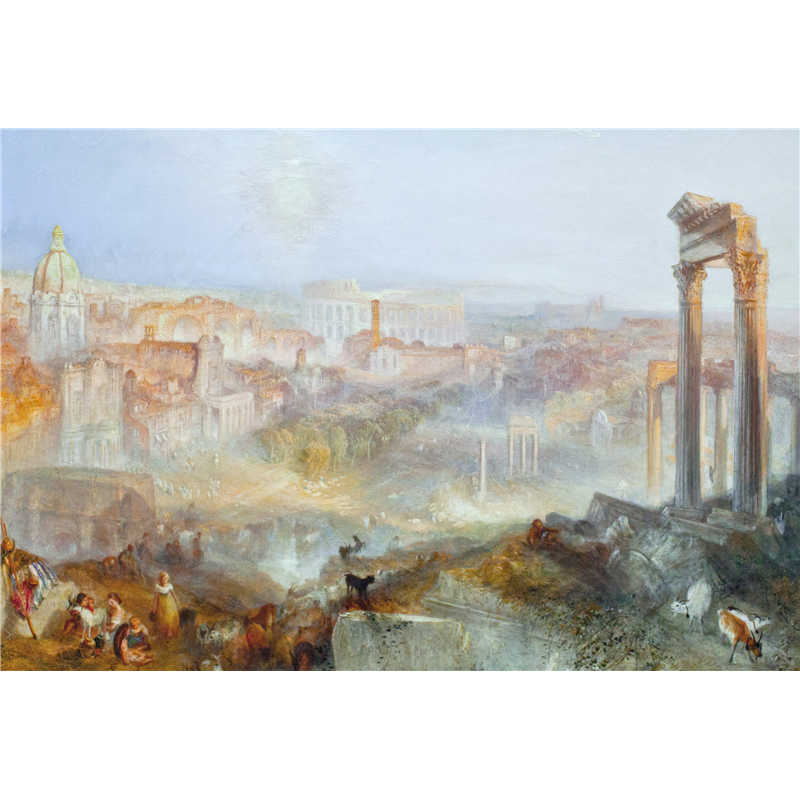 |
Part of the Ancient Worlds: New Horizons series of Study Days which are available live in Winchester and also will be live-streamed via Zoom with recordings of each day made available for 7 days after each event. This enables all attendees (in-venue and online attendees) to catch-up at a later date and/or revisit parts of the days as appropriate. Layers of Rome This day will build up your understanding of the cultural riches and richness of Rome. From Ancient Rome’s breath-taking engineering to Renaissance Rome’s obsession with beauty and brilliance and finishing with Baroque Rome’s stupefying theatricality. We will start with ‘Classical Rome and its Legacy’. The Pantheon, Colosseum and Basilica of Maxentius. We shall look at these three inspirational buildings each with a different form and function – these were the edifices that could be seen in ruin ever since the Sack of Rome in the 5th Century AD, and provide the basis for understanding Renaissance painting and sculpture. The second part will establish ‘The Rise of the Renaissance’. Frescoes by Fillipino Lippi in the Carafa Chapel, Michelangelo's St Peter's Pieta and Raphael's Stanze della Segnatura (including the School of Athens) allow us to trace the development of theology, philosophy and aesthetics with the emergence of the High Renaissance. We shall look at bright, intelligent frescoes and a sculpture of breath-taking brilliance. The final section is about the ‘Giants of the Baroque’. Caravaggio's painting in the Contarelli Chapel in San Luigi dei Francesi, Bernini’s church: San Andrea al Quirinale and his emphatic sculpture the Ecstasy of San Theresa, are three of the most celebrated Baroque embellishments in Rome. A gritty series of paintings by a notorious sinner, a scandalous religious sculpture group and interactive architecture by the Baroque’s mastermind will allow us to understand the context and purpose of the art and architecture of seventeenth century Rome. You can book for the whole course or just individual days. The course consists of 3 days as follows and all are available in venue (Winchester) and online via Zoom: - Wednesday 3 February 2027 - The Vikings with Imogen Corrigan
- Wednesday 17 March 2027 - Greek Salad - the Essentials of Western Civilisation with Rupert Willoughby
- Friday 2 April 2027 - Layers of Rome with Dan Evans
Venue: The Gurkha Museum, Peninsula Barracks, Romsey Rd, Winchester SO23 8TH and online via Zoom (recordings of each day will be available to both in-venue and online attendees for 7 days after each event). Timings: The live events run from 10.30am - 3.30pm. Paricipants joining online via Zoom will be admitted from about 10.15am and can join and leave the event as required. They will also have the option to view or catch-up via the recording. Price: £35 per day in venue, to include coffee/tea, light lunch with wine or soft drinks; £15 per session for online attendees. Bookings are now open Bookings can be made via Ticket Taylor, our preferred method of booking. The link is below. There is no additional charge to subscribers via Ticket Tailor, which conveniently accepts credit and debit cards. NB for this year there is a Cart feature which means you can add any permutation of tickets and ONLY CHECK OUT ONCE. Progress!!!! Click this link for bookings via Ticket Tailor If you experience trouble booking via Ticket Taylor please click below for our old-fashioned booking form which contains details of how to book and pay by online bank transfer or cheque. It also contains the organiser’s contact details for queries. Art and Colour - 2026 Booking form in Word format Art and Colour - 2026 Booking form in PDF format
Please feel free to pass details of this Study Course to any of your friends, family or neighbours who might be interested in joining us, either in person in Winchester or online. They do not have to be a member of The Arts Society.
We hope to be able to meet some of you in person in the spring and look forward to welcoming our online subscribers. For any other information please contact us at the email address below. Email: hampshireisleofwightarea@theartssociety.org |
|